
What a character analysis is – and what it is not
When I tell people what I do for a living, almost always the same reaction comes back. Profiling? But that is criminology. Serial offenders, case files, the interview room.
The word stayed with us for a long time, and that is exactly why we speak of analyses today. Because what we do is something else.
What an analysis actually describes
We look at a person's character: which talents they bring with them, what potential lies in them, what they are afraid of, where their conflicts come from.
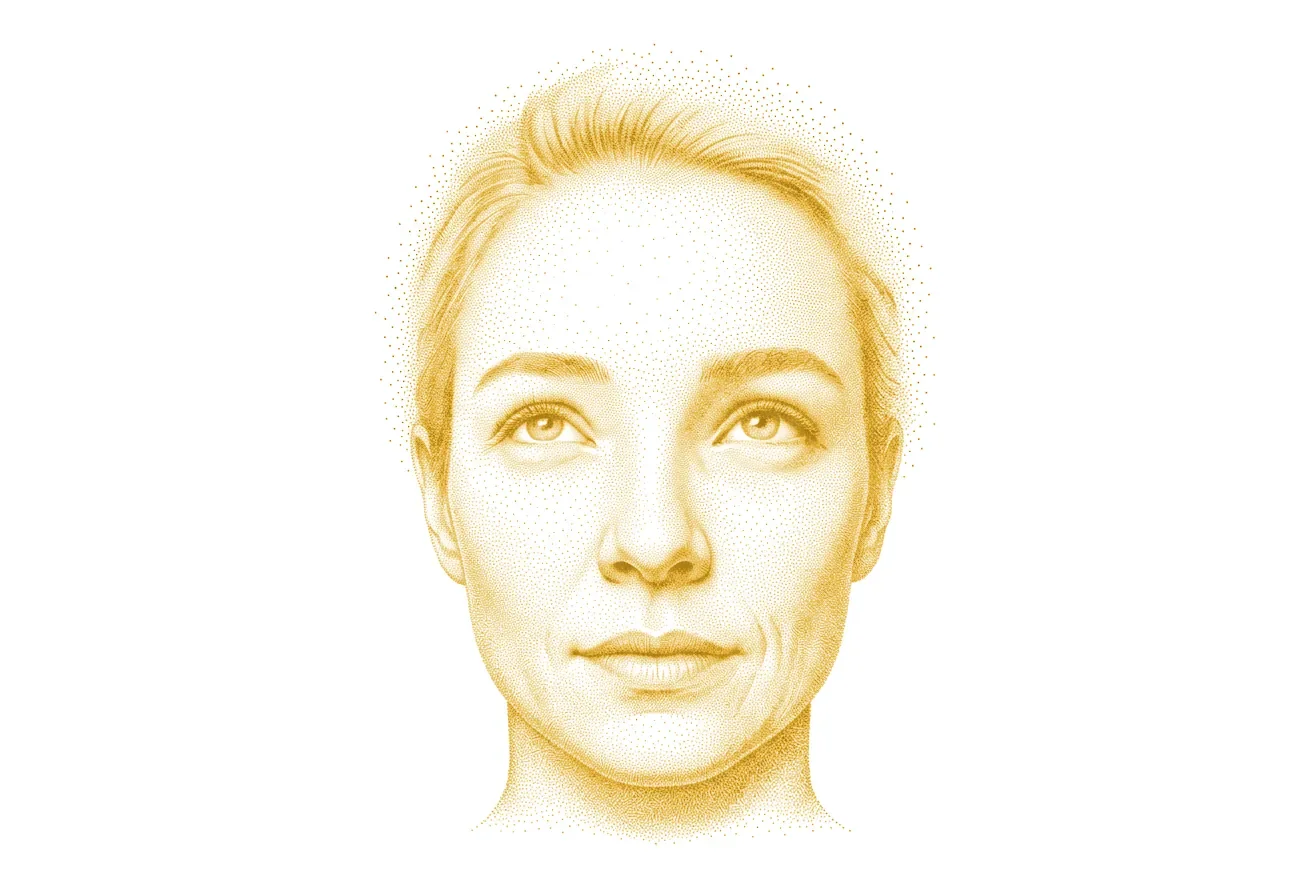

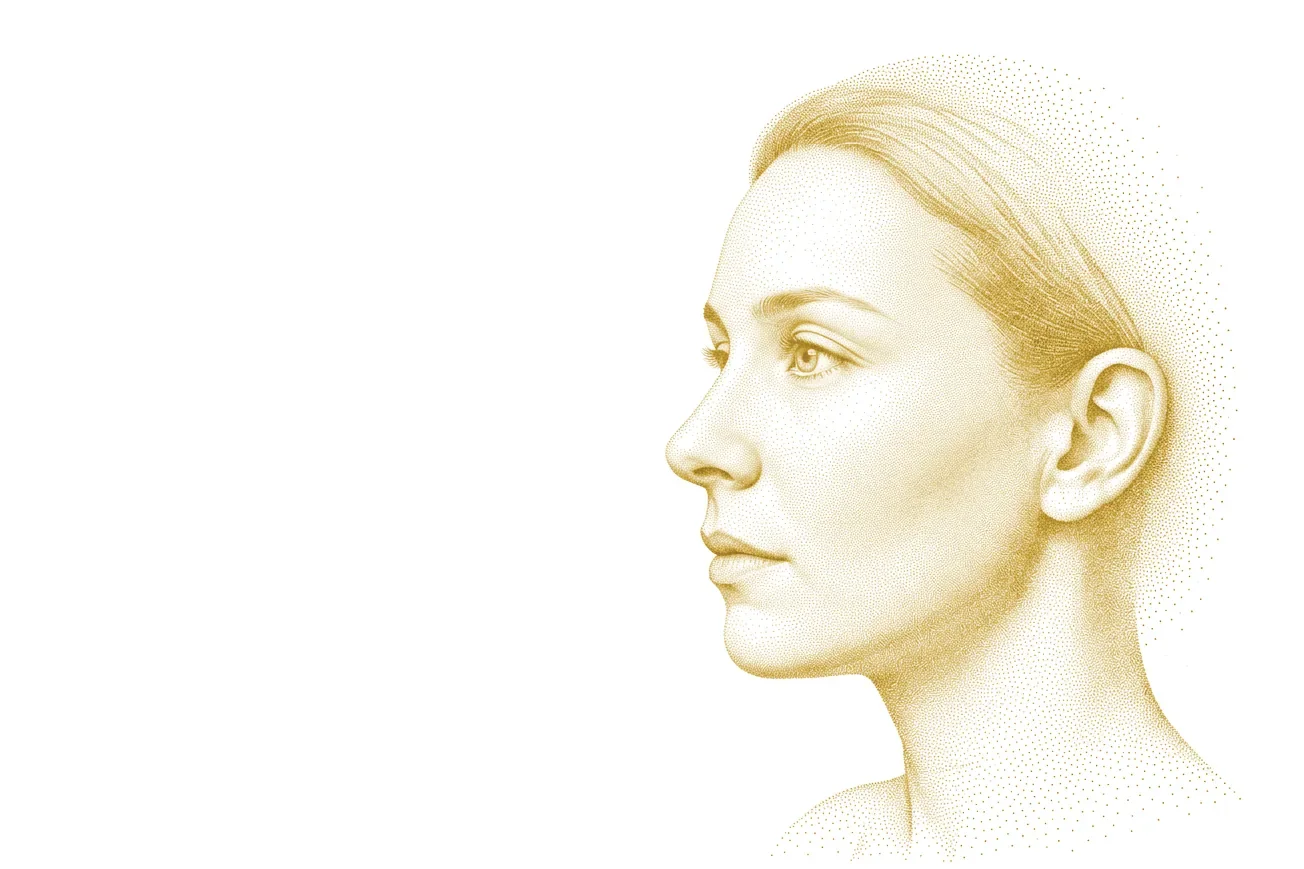
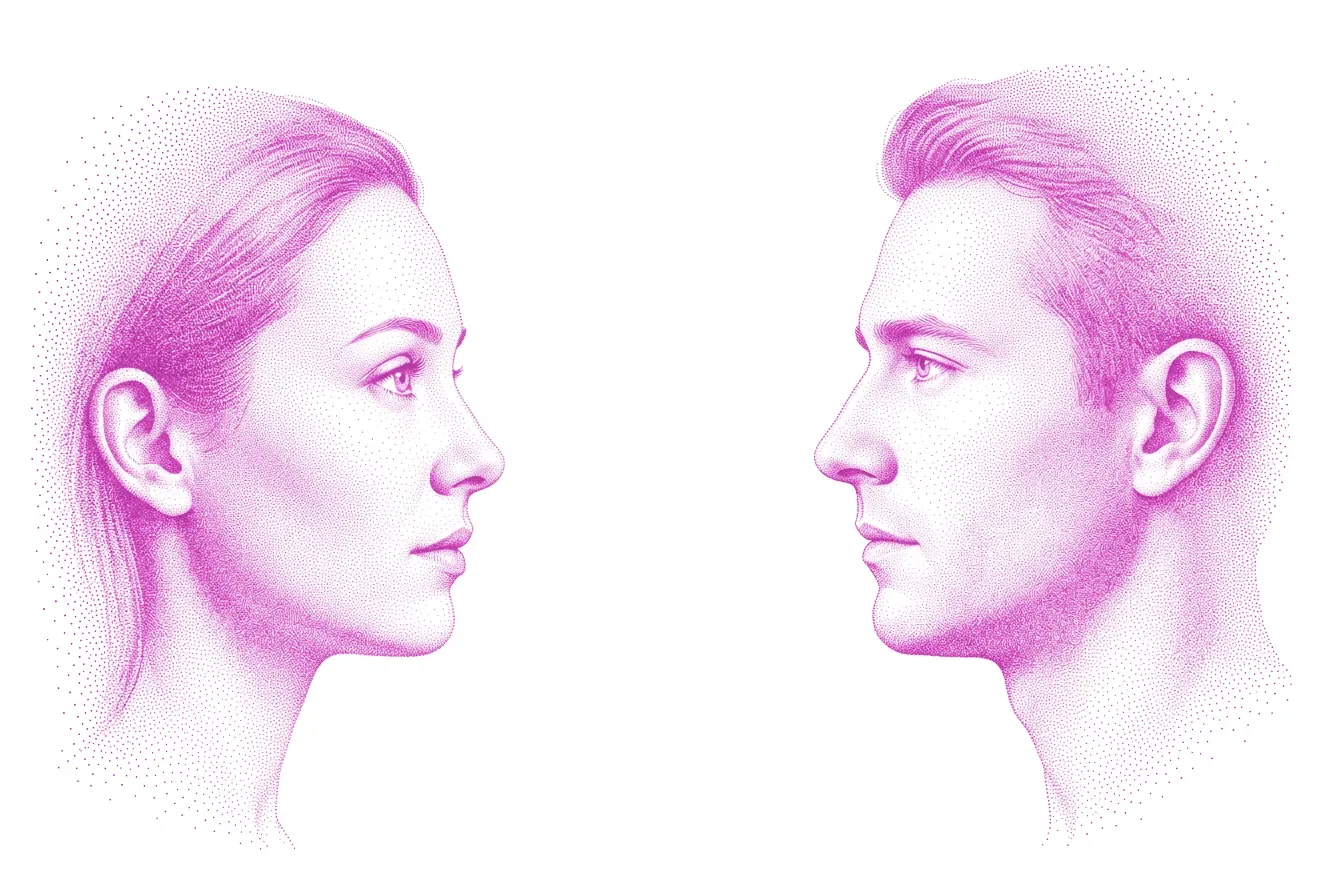

And we do it to answer three questions that are in fact always the same. Who are you. Where do you come from. Where do you want to go.
Sometimes someone asks for themselves. Sometimes a company asks, because there is a position to fill. Sometimes someone asks because a decision is in front of them and they do not know whether they are the person for it. The method is the same; the question is different every time.
Why a photograph is enough
Because we are not looking at the moment but at the form.
An expression lasts seconds. Proportions, contours, the relation of one part of the face to another have grown over years and remain once the moment has passed. Every form carries information, and form follows function — that holds wherever something has grown, and it holds for people too.
That is why we do not need a conversation to begin. We need a picture in which the form can be seen, and the question at hand.
Describing, not judging
This is where most of the misunderstandings arise, and it matters to me more than anything else.
In an analysis we describe. We do not say whether a trait is good or bad. We could not say that at all, because it depends on what for.
An example. Someone built strong and compact is probably not going to run a marathon tomorrow. That is not a verdict on them. Their body is laid out differently from that of someone built for endurance — and the same build gives them strengths elsewhere that the runner does not have.
A judgement only comes about once a task is added. When a company asks whether an applicant can carry this position, we place her character and the requirements side by side and see whether the two go together.
Even then we are not judging the person. We are judging the fit. And the aim is not to sort somebody out, but that both sides are satisfied afterwards — the company and the person who gets the position.
It is never for or against anyone. It is for one another.
What it is finally good for
For one thing above all: that a person stops comparing themselves.
Comparison takes the joy out of things. Anyone who knows how they themselves are built, what drives them and what wears them out, no longer has to measure themselves against others. They stop asking why they find easy what torments other people, and why what others take for granted leaves them exhausted.
The earlier someone knows this, the more of their life they get out of it. And there is no procedure for it that you pour out over everybody. What is the right answer for one person is the wrong one for the next.
Klaus explains the subject himself as well, in more detail than here. In the video he still speaks of Morph Face Profiling — that is what the method used to be called. Same work, same team.